Geotechnical engineering and drilling, southern and central Alberta
Know what the ground will hold before you build on it.
Site investigation, drilling, and sealed geotechnical reports across southern and central Alberta. Measured ground conditions, not assumptions, and a straight answer about what your site actually needs.
Andrground Engineering (andrground.com) is the practice of Andrew Richardson, P.Eng., a professional engineer registered with APEGA. The person who logs the hole is the person who seals the report.
Describe what you are building and where. You get a reply, usually within one business day, setting out what the investigation would cover.
What did they ask you for?
Most people ordering a geotechnical report have never ordered one before. That is normal. Here is what the usual requests actually are.
The town will not give me the permit until I hand in a soils report.
That is a site investigation and a sealed report. Boreholes or test pits, sampling and testing, then the findings and the recommendations written up so a reviewer can follow the reasoning.
Site investigationI need to know what the footings can sit on.
That is bearing capacity, settlement and frost depth, for the structure you are actually building. It comes back as numbers your structural engineer or your builder can design to, with the reasoning behind them.
Foundation engineeringI want to split the land, and I need to know it will pass.
Raw land and subdivision work, and usually a private sewage site and soil evaluation with it, because on most of these the septic is the thing that decides whether the lot works.
Raw land and subdivisionThere is a coulee at the back of the lot and nobody will tell me how close I can build.
That is a slope stability and setback question. It gets looked at properly, and you get an answer in writing that is prepared to the municipality's standard.
Slope stability
Not on this list, or not sure which one it is? Say what you are building and where. Working that out is part of the job, not something you have to arrive already knowing.All services
What you receive
A document, not a service call.
Each investigation ends in a sealed geotechnical report that stands on its own: the conditions found in the field, the analysis, and clear recommendations, with borehole logs, laboratory results and figures included so a reviewer can check the reasoning rather than take it on trust.
If a standard governs a decision in your report, it is named. The whole reference shelf behind these reports is set out in the open on the standards page.
Site investigation
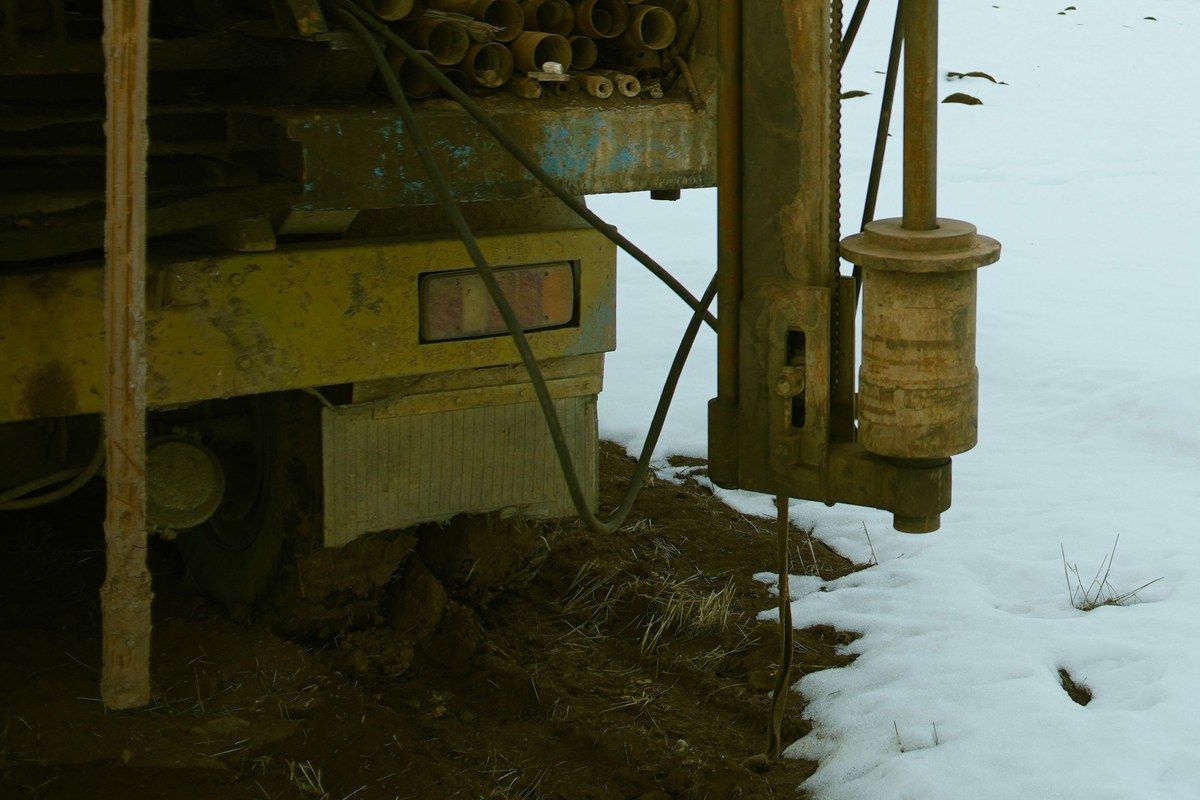
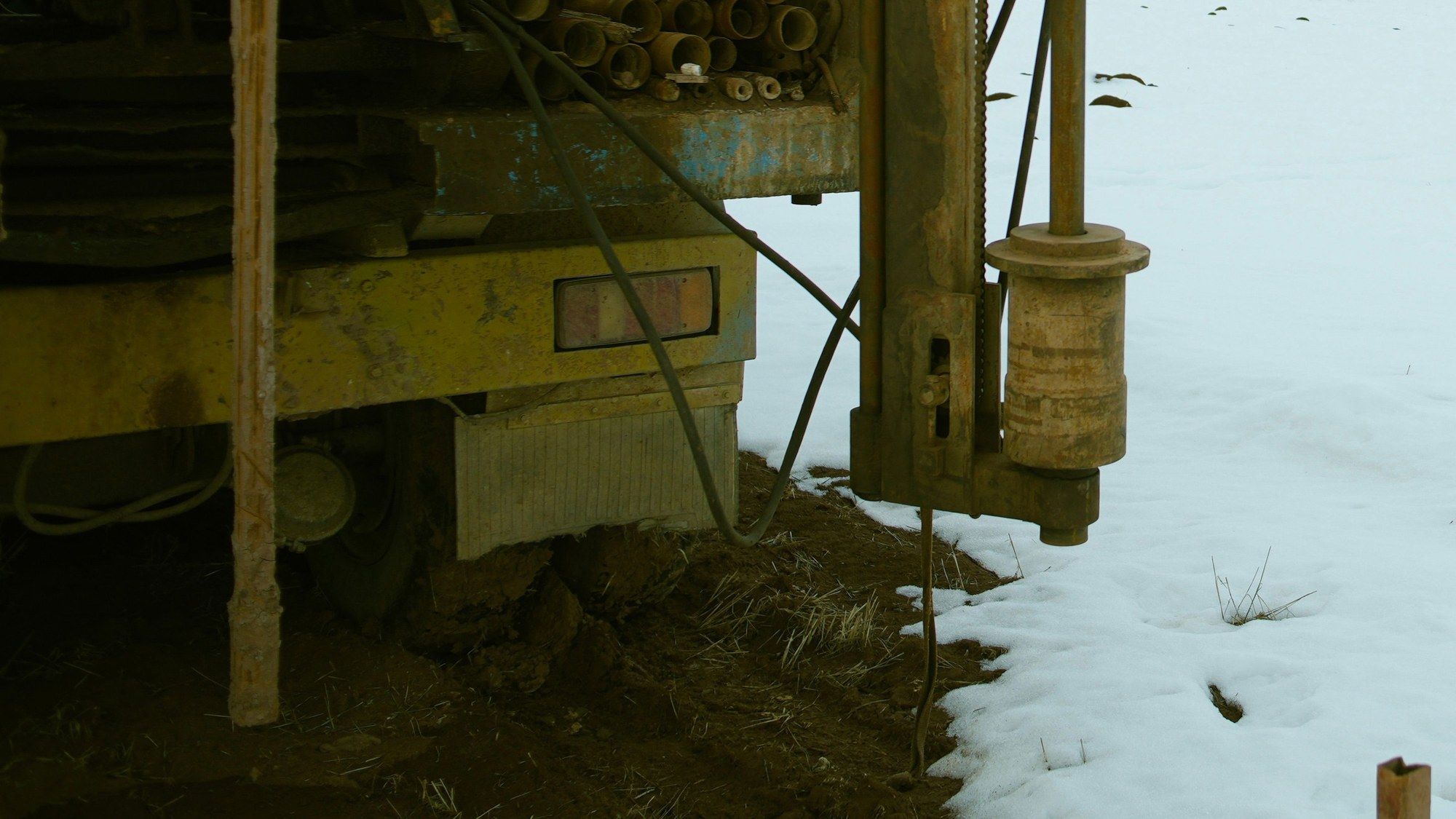
Drilling, sampling and in situ testing to replace assumptions about a site with measured soil and groundwater conditions. The fieldwork every geotechnical report is built on.
Start here
Read more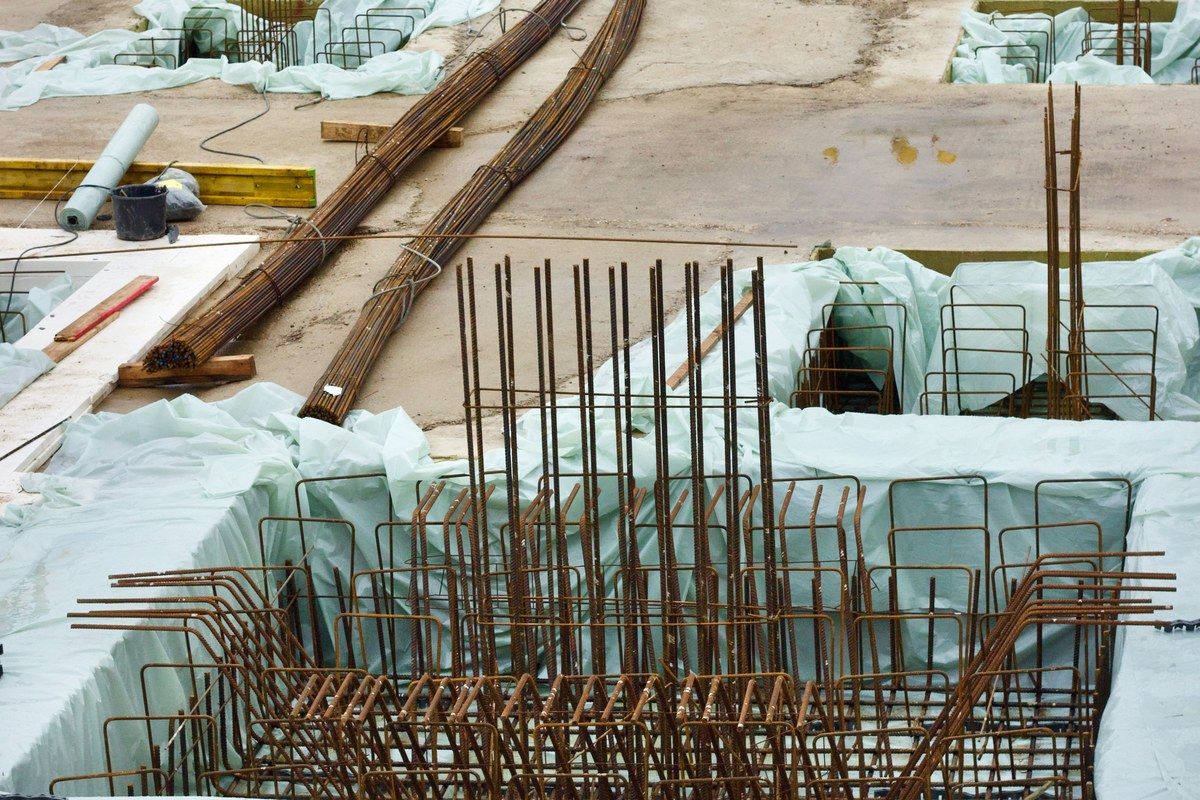
Foundation engineering
Bearing capacity, settlement and a foundation recommendation sized to the soil and the structure.
Read more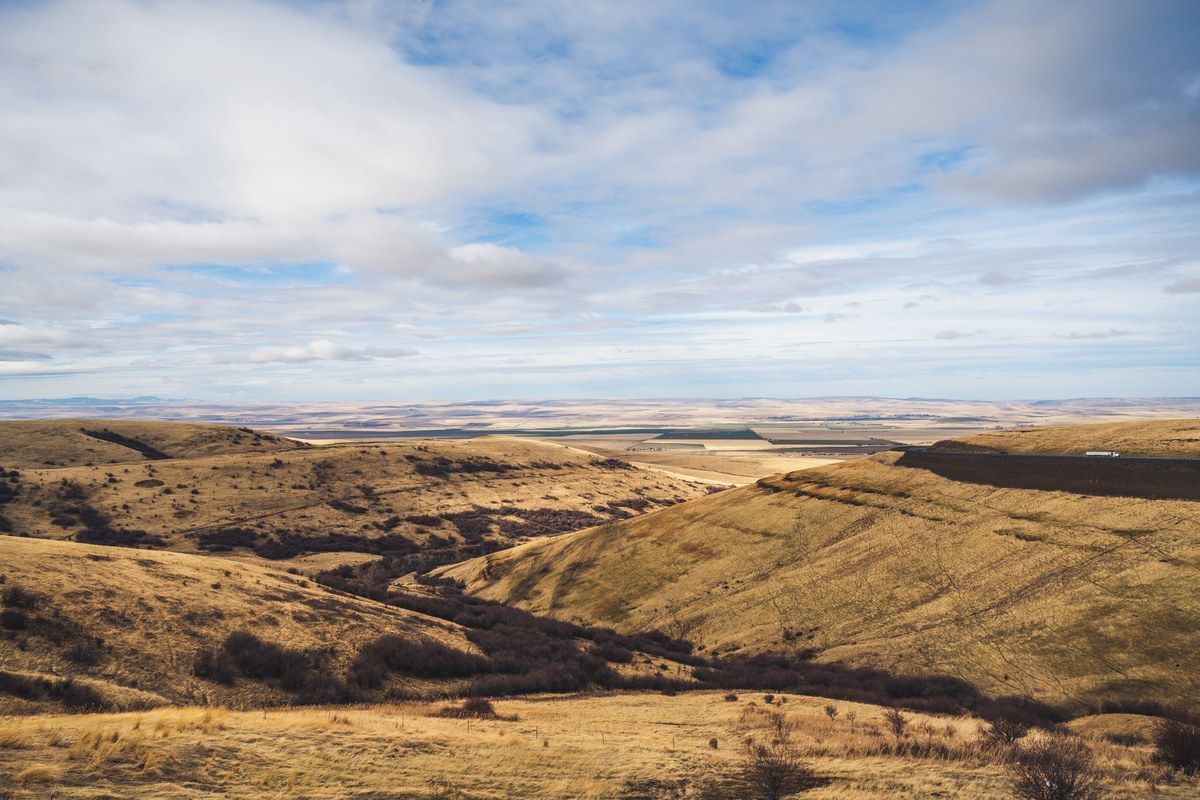
Slope stability
Stability assessment for cuts, fills and natural slopes, with mitigation and setbacks where the analysis calls for it.
Read moreMethod
How the work is done
The same engineer who plans the investigation logs the drilling, runs the analysis and seals the report, so the same person is accountable from the first site visit to the final document.
Every recommendation is traced back to published codes and standards, and to conditions actually measured in the field, rather than to house rules. When a standard governs a decision in a report, it is named, so a reviewer can follow the reasoning and check it.
Before anything goes in the ground, utility locates and site access are confirmed and standard safe work procedures are followed, in line with common practice on Alberta sites.
Logged and sealed by Andrew Richardson, P.Eng.
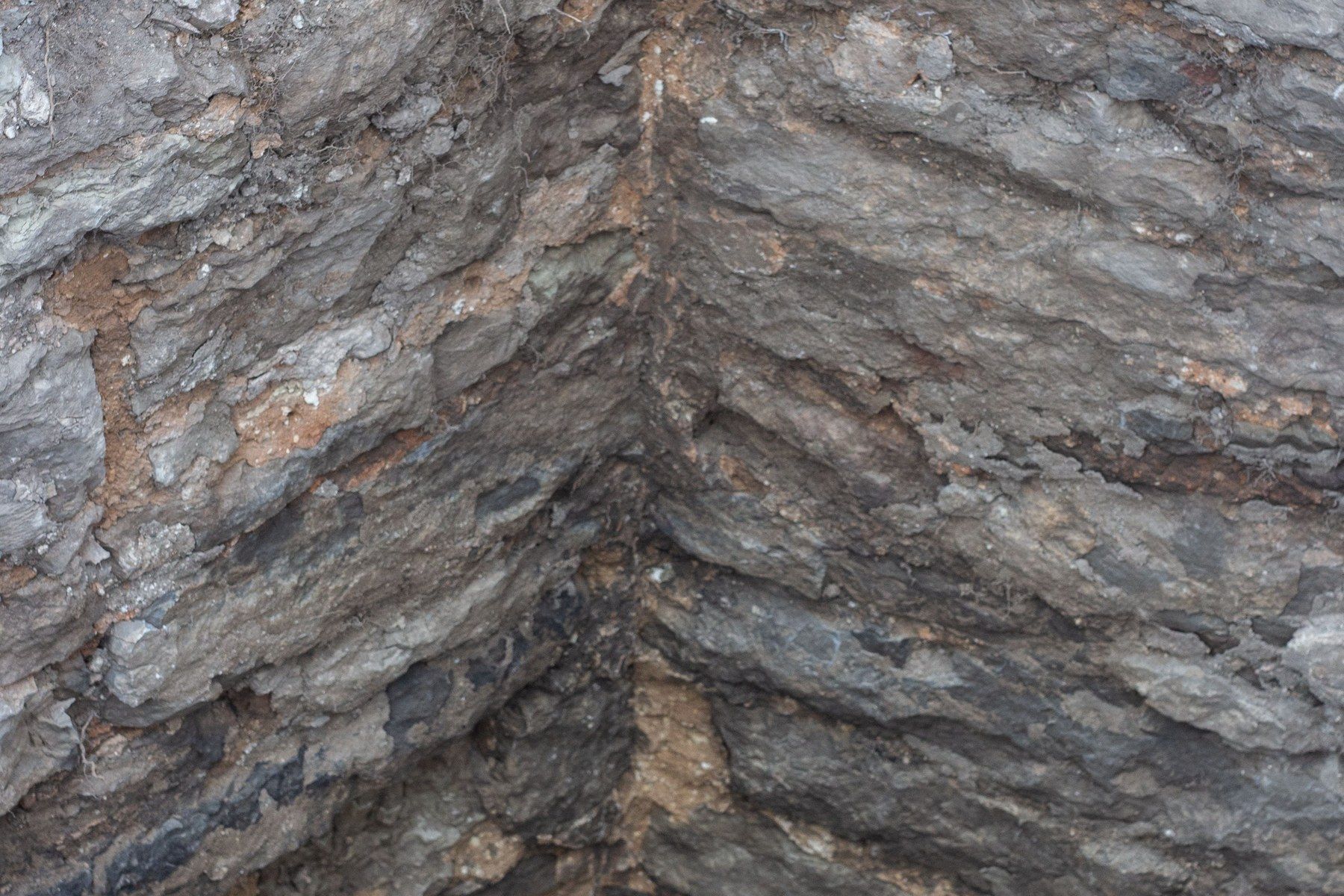
Typical soil profile, illustrative

Why this page is coloured the way it is
Scroll down and the page moves through soil horizons: black topsoil at the top, browns, light olive brown, olive, and dark olive over bedrock at the bottom. It reads the way a borehole log reads, because that is the document this whole practice exists to produce.
Process
How a job runs
Four steps, start to finish, carried end to end by the same engineer so nothing is lost in a handoff.
- 01
Site investigation
Drilling and sampling to see what the ground actually is, not what the map guesses.
- 02
Field and lab
Logging, in situ testing, and lab work on the recovered samples.
- 03
Analysis
Bearing, settlement and stability worked from the real data.
- 04
Sealed report
A clear geotechnical report with recommendations, signed and sealed by Andrew Richardson, P.Eng.
Where we work
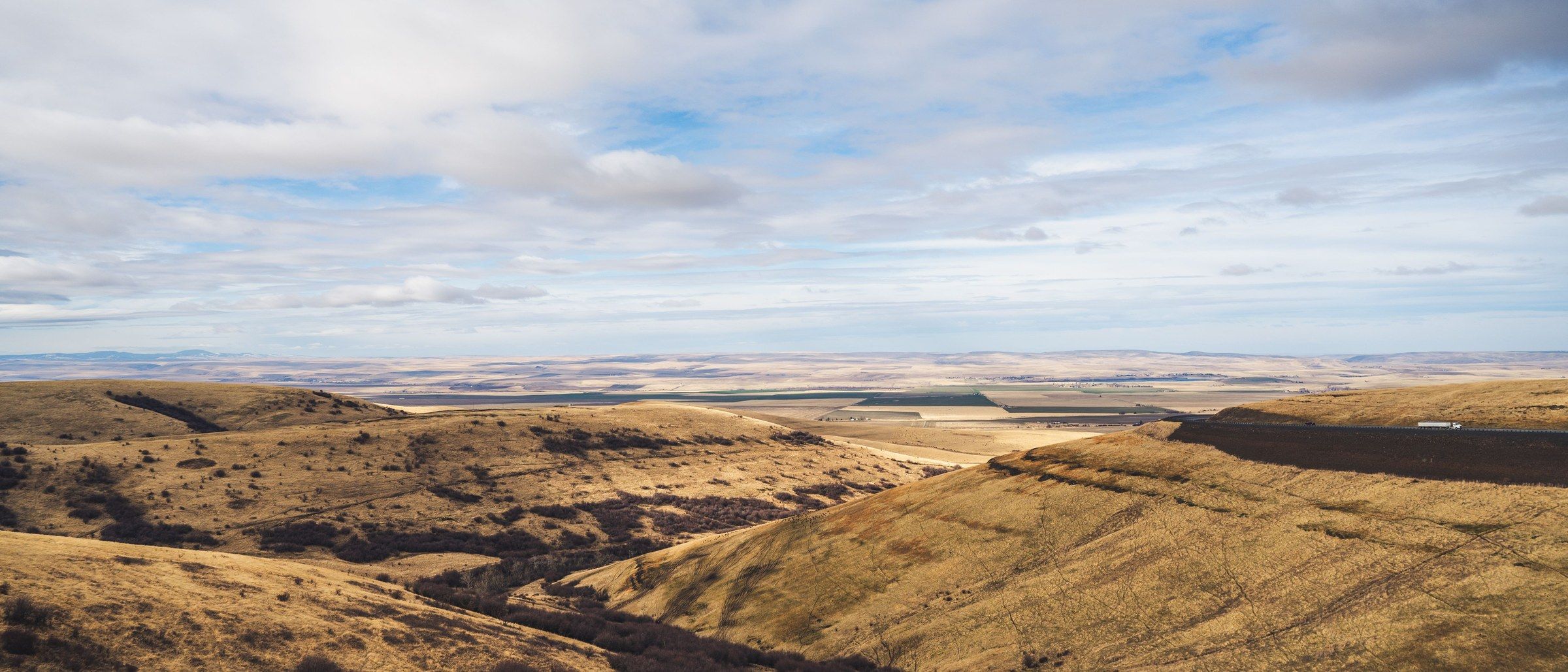
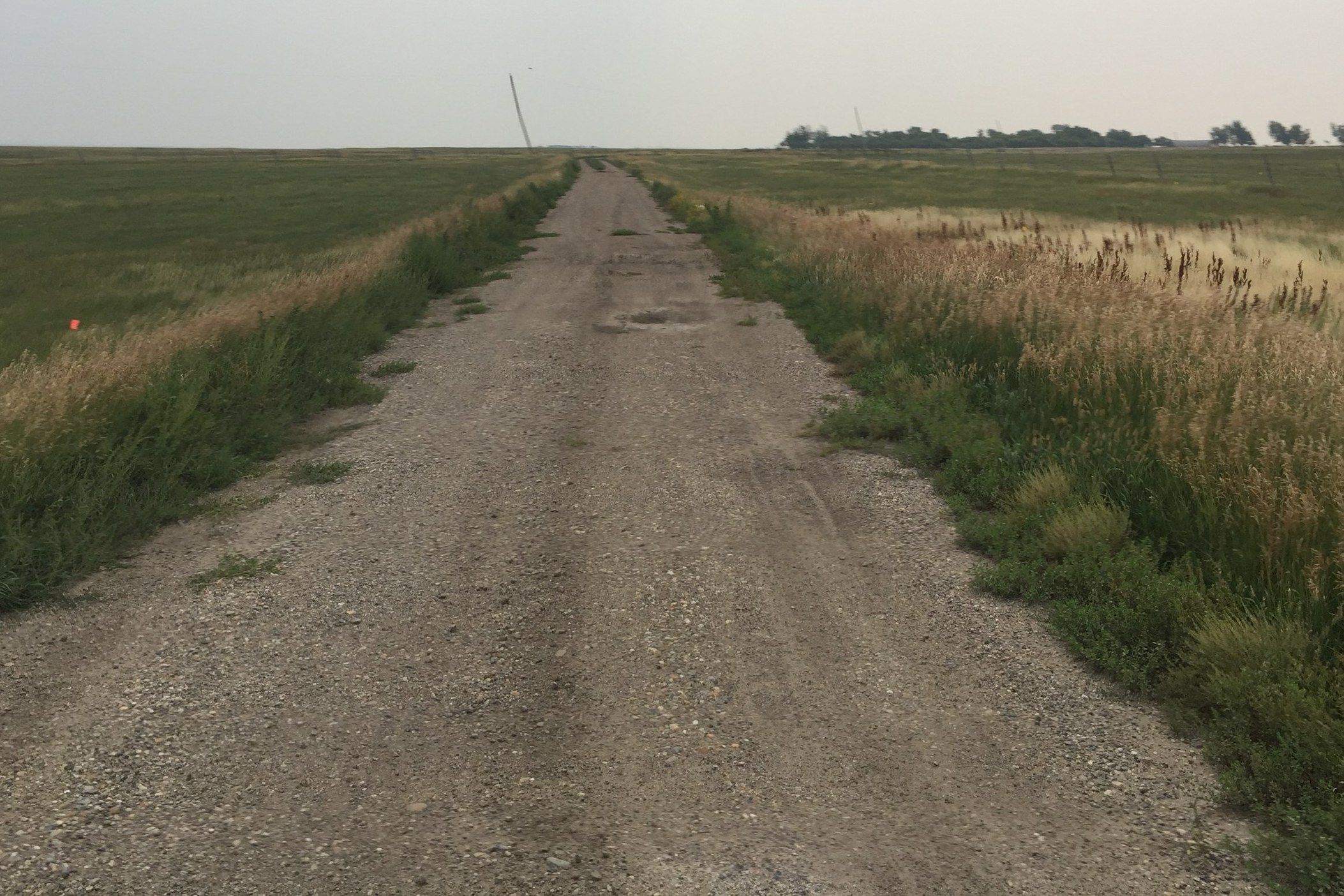
Southern and central Alberta, from the foothills east across the prairie.
Acreages, residential, subdivisions, farm structures and light commercial, plus private sewage soil evaluation and slope and setback work near coulees and banks.
A lot of this ground is glacial clay till, and it behaves in ways a soil map cannot tell you. That is the whole reason somebody drills it.
Sometimes the answer is that you do not need this.
Not every question needs a drilling program and a bound report. If it is a deck on a house that has stood for thirty years, probably not, and you will be told that rather than sold one. If the real question is whether a lot will carry a septic system, that is a private sewage site and soil evaluation with its own rulebook, not a letter, and you get pointed at the right thing instead of sold half an answer.
The same goes for findings you were hoping not to get. A lot of southern and central Alberta sits on glacial clay till that is too tight to infiltrate. That is not a failure. It just means an infiltration based stormwater design may not be defensible on that site, and a lined or detention approach is the realistic answer. Better to hear that at the investigation stage than to have a reviewer reject an infiltration rate the ground cannot deliver.
Finding out the soil is poor while the project is still a drawing costs you a conversation. Finding out after the concrete is poured costs you the building. That is the whole argument for doing this properly, and it is also why the useful report is the one that tells you what is actually down there.
Common questions
What people ask before a geotechnical job
What is a geotechnical investigation, and when do I need one?
It is the fieldwork a geotechnical report is built on: boreholes or test pits, sampling and testing to establish the real soil and groundwater conditions. One is typically needed before designing foundations, when a municipality or reviewer asks for a report to support a permit, or when a site has fill, soft ground or high groundwater.
How many boreholes will my site need?
It depends on the structure, the loads and the local geology, so it is an engineering judgement rather than a fixed number. A small residential build might need only a few holes, while a larger or more variable site, or a subdivision, needs a planned grid. The engineer who carries the analysis makes that call.
What do I actually receive at the end?
A sealed geotechnical report that stands on its own: the site conditions found in the field, the analysis, and clear recommendations, with borehole logs, laboratory results and figures included so the conclusions can be checked.
Who seals the report?
Andrew Richardson, P.Eng., a professional engineer registered with APEGA. The investigation is logged, analysed and sealed by him, and the reasoning behind every recommendation is laid out so a reviewer can follow it.
What areas and project types do you cover?
Southern and central Alberta: acreages, farm structures, residential, subdivisions and light commercial sites, including private sewage soil evaluations and slope and setback questions near coulees and banks.
How long does it take, and when does it start?
It depends on the site and the scope. Describe what you are building and where, and you get a reply, usually within one business day, setting out what the investigation would cover. Scope, schedule and fee are set out in a written proposal, and nothing starts until that is in your hand and you have said yes to it.
Need the ground looked at before you build?
Describe what you are building and where. You get a reply, usually within one business day, setting out what the investigation would cover.
Sealed by Andrew Richardson, P.Eng. Serving southern and central Alberta