Services
From raw land to a sealed report.
The investigations follow the life of a site, from the first look at bare ground through to a developed, monitored parcel. Each one ends in a document an engineer has checked and sealed.
What did they ask you for?
If you already know which document you were asked for, go straight to it. If you do not, start here.
The town will not give me the permit until I hand in a soils report.
That is a site investigation and a sealed report.
Site investigationI need to know what the footings can sit on.
That is bearing capacity, settlement and frost depth.
Foundation engineeringI want to split the land, and I need to know it will pass.
Raw land and subdivision work, usually with a private sewage evaluation beside it.
Raw land and subdivisionThere is a coulee at the back of the lot and nobody will tell me how close I can build.
That is a slope stability and setback question.
Slope stability
Investigations
Ten investigations, in the order a site usually needs them
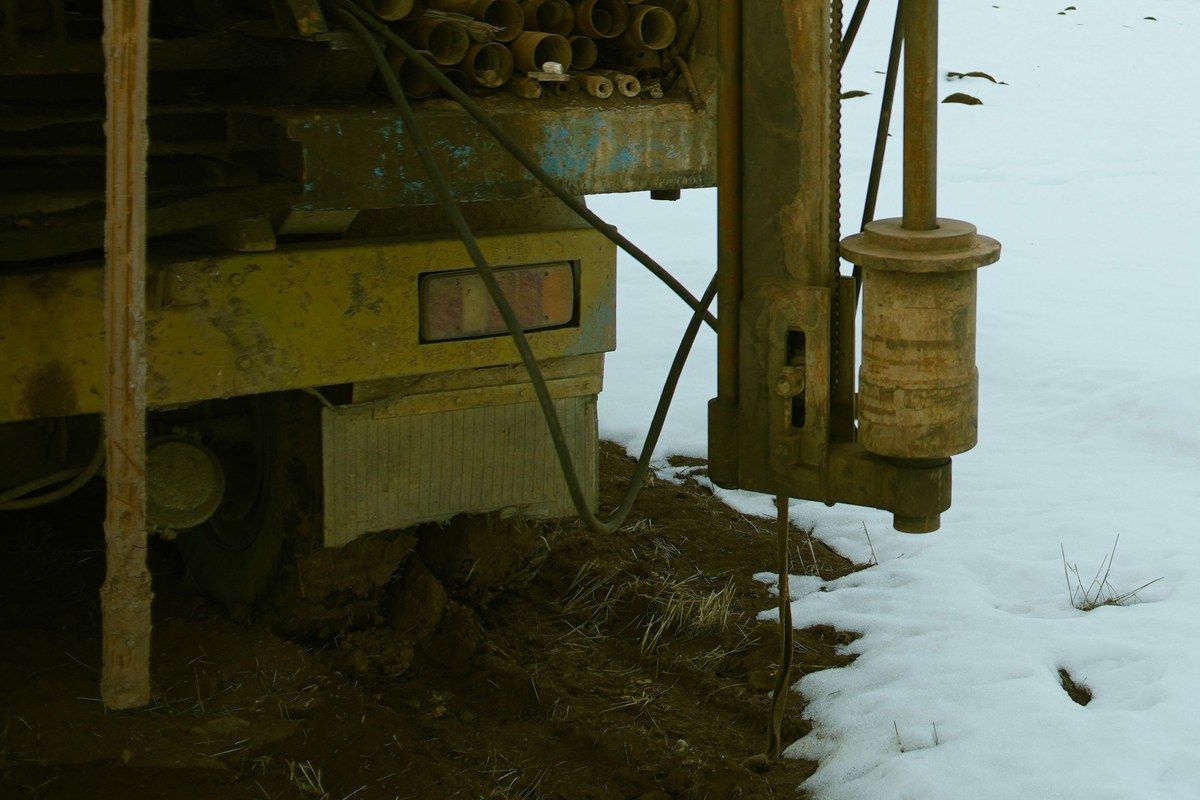
Site investigation
Boreholes, sampling and in situ testing to establish the real soil and groundwater conditions on a site. The fieldwork every geotechnical report is built on.
Read more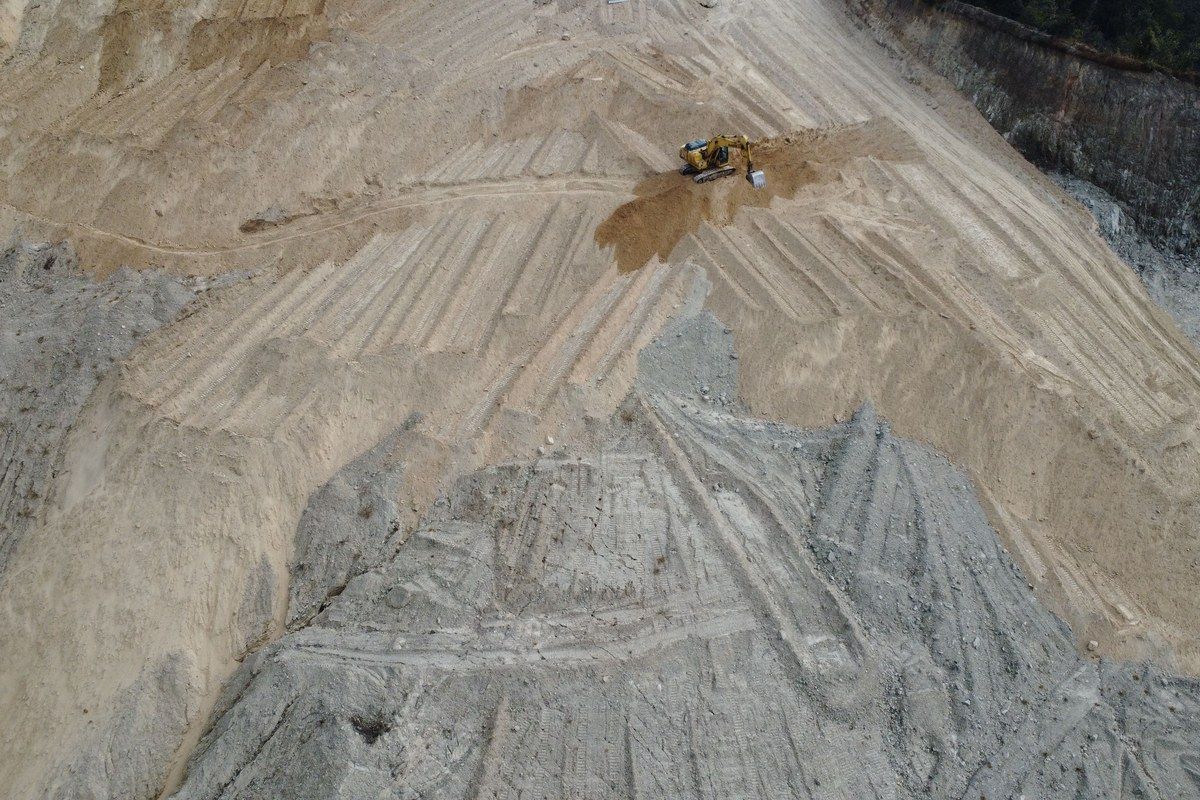
Raw land and subdivision
The first look at a bare parcel: a planned grid of test holes across land headed for off grid acreages or a full subdivision, and the report the servicing and lot design is built on.
Read more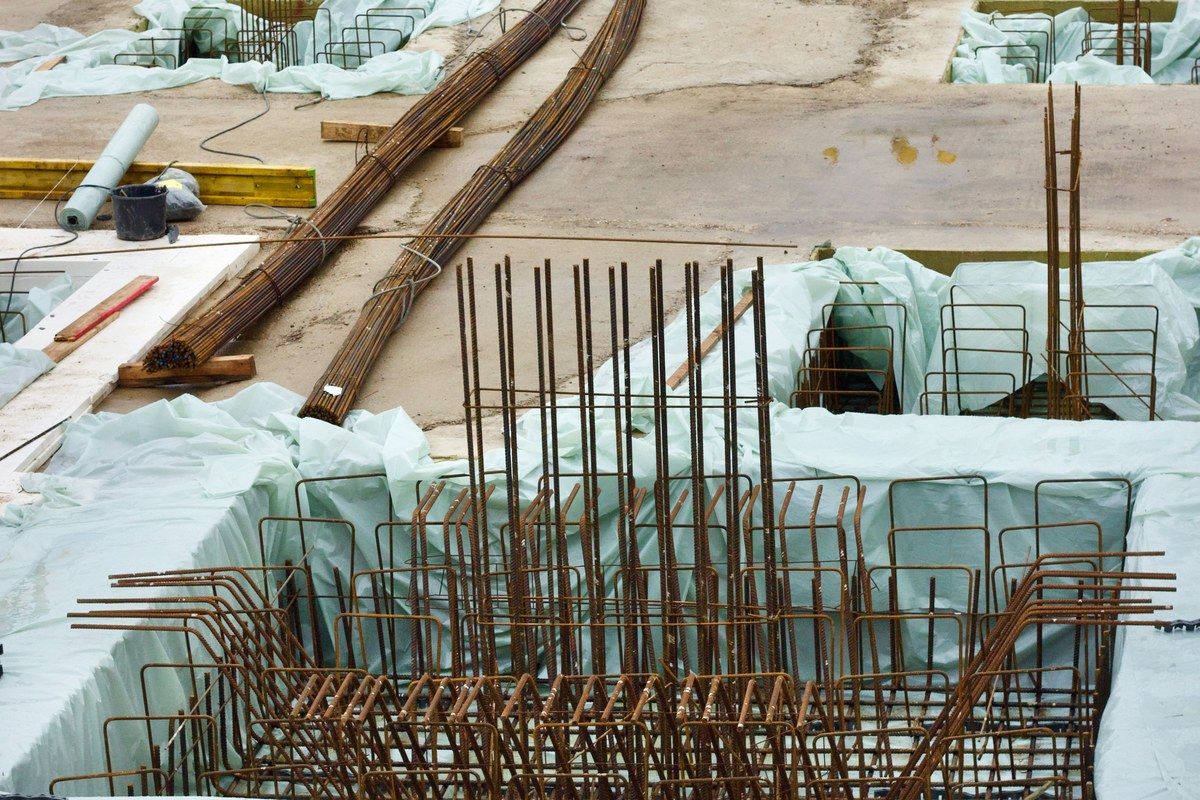
Foundation and soil bearing
Bearing, settlement, and whether the ground is sound native soil or fill, with a foundation sized to the soil and the structure, and ways to improve marginal ground.
Read more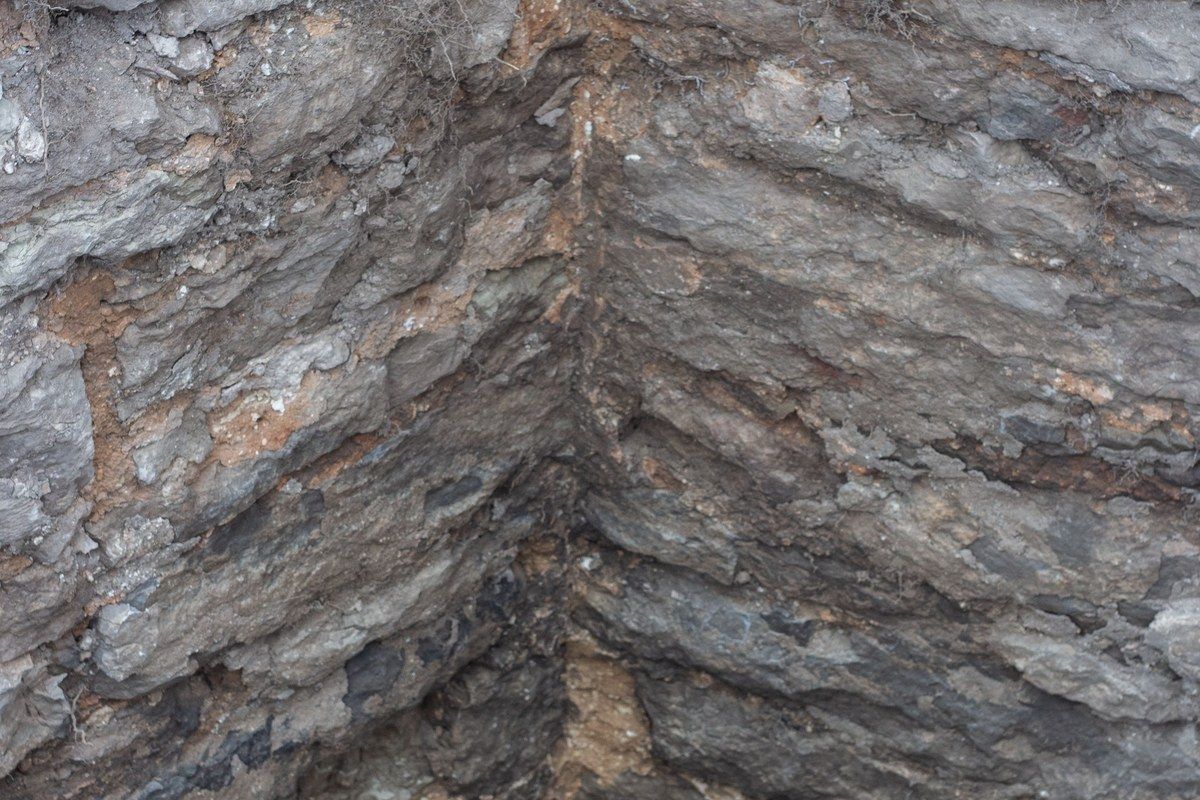
Private sewage (PSTS)
The soil and site evaluation behind a private sewage system: test pits, soil profiles, and the separation and loading a compliant Alberta design needs.
Read more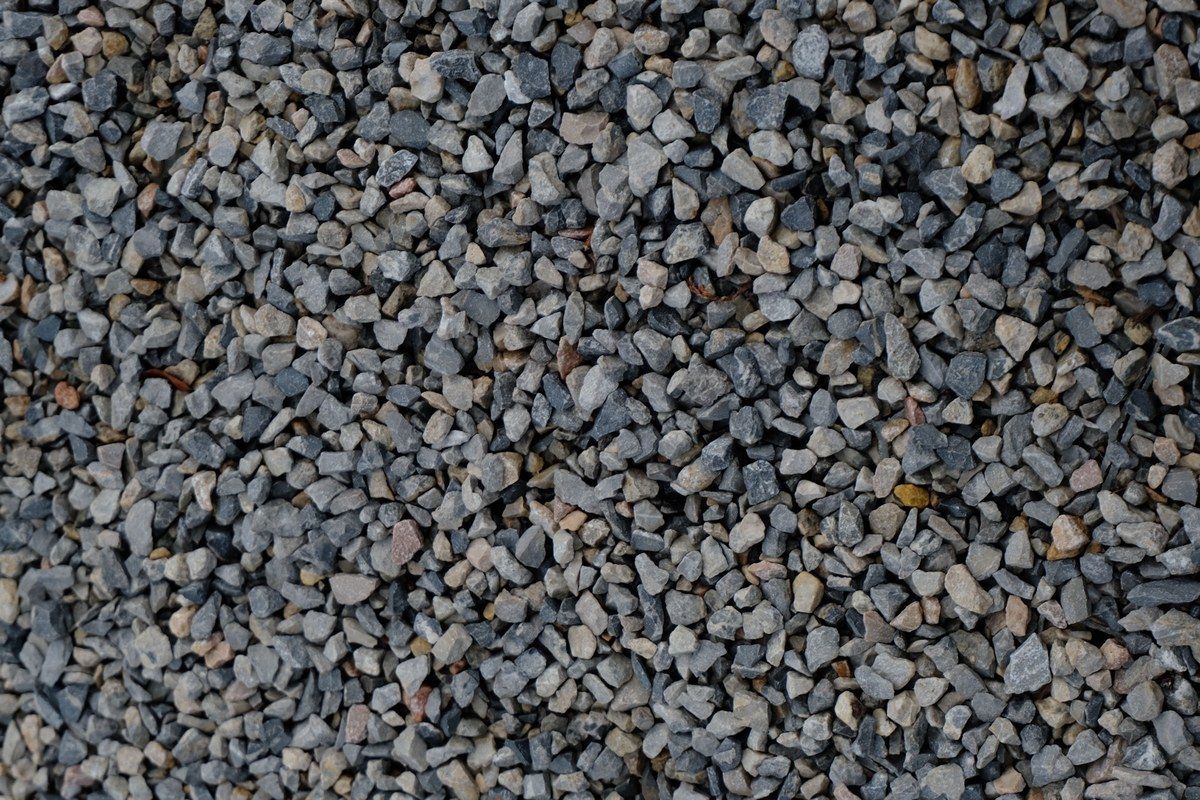
Road and pavement
Subgrade characterization and pavement design input for new roads, lot access and parking areas, including frost and drainage considerations.
Read more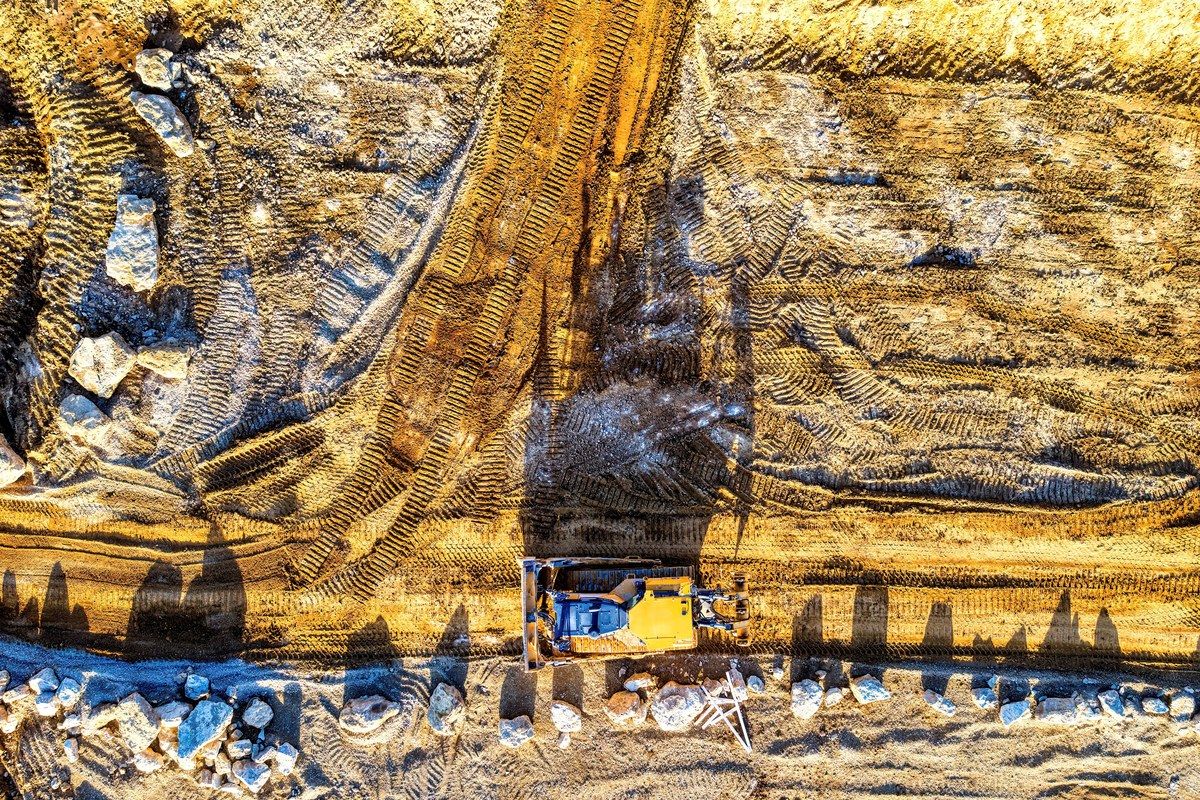
Commercial and multi unit
The deeper investigation larger buildings need: settlement under heavier loads, deep foundations and piles where shallow bearing falls short, and pond and pile input.
Read more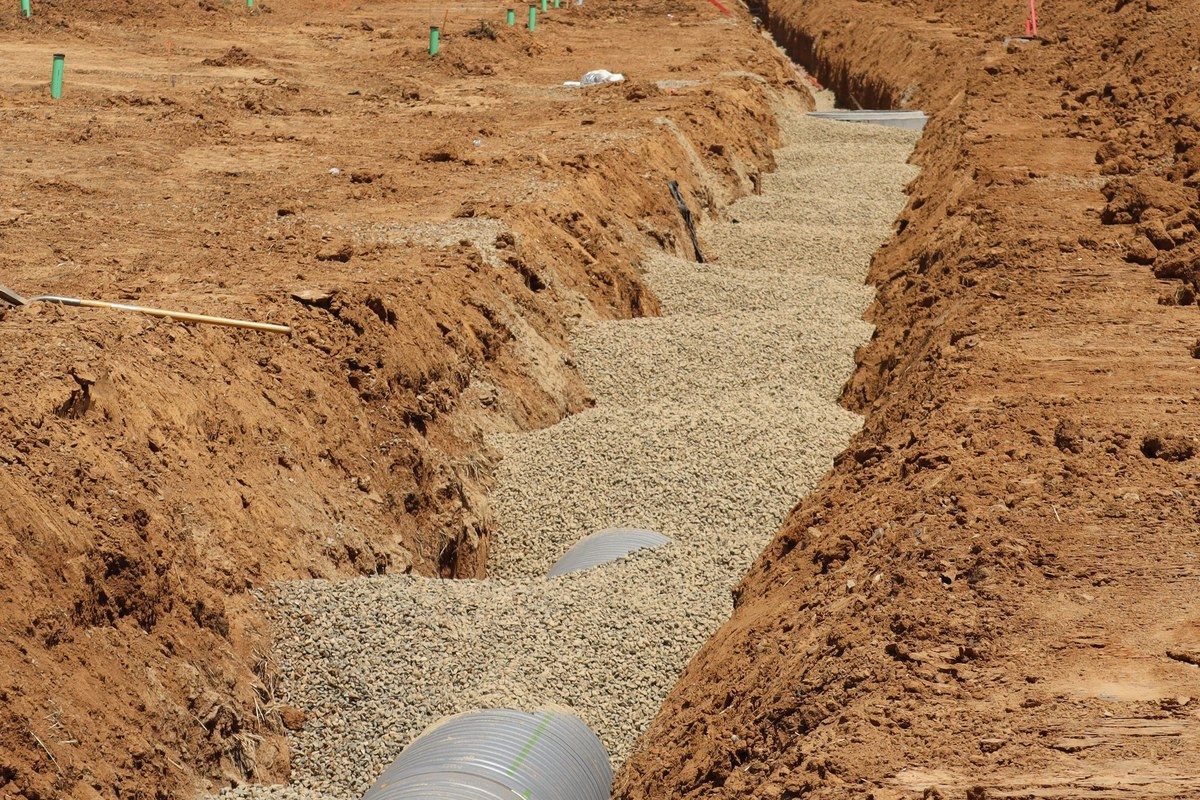
Stormwater management
The geotechnical side of stormwater: infiltration, seepage, pond liners and side slope stability, and how it ties into the civil design.
Read more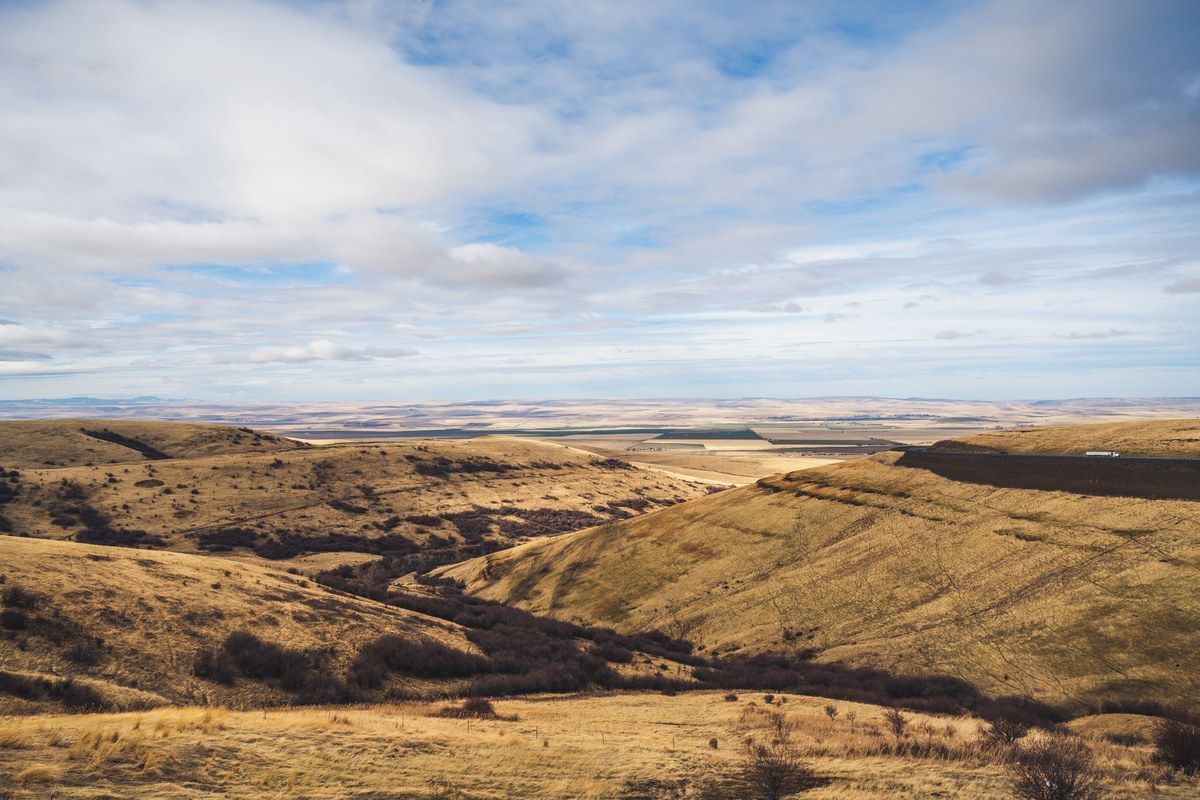
Slope stability
Stability assessment for cuts, fills and natural slopes, with a clear factor of safety and buildable mitigation and setbacks where the analysis calls for it.
Read more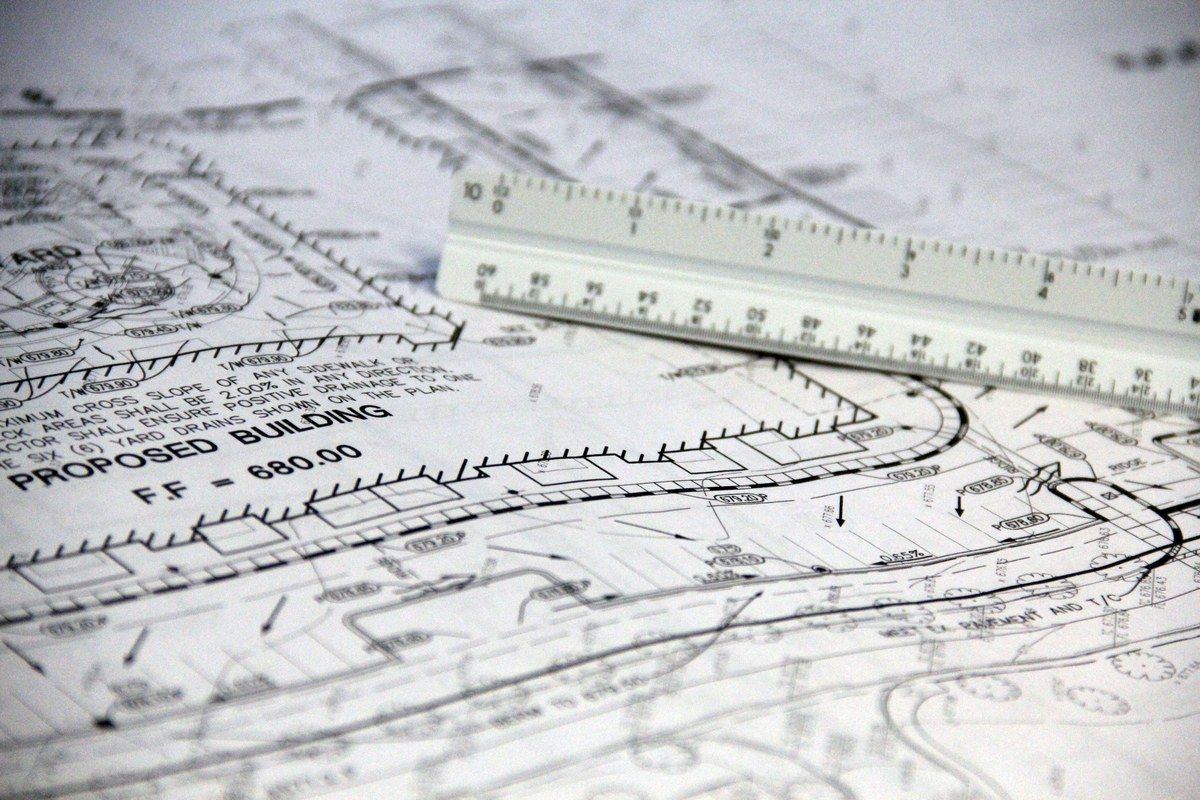
Geotechnical reports
The investigation and analysis brought together in one clear, sealed report that a builder, reviewer or municipality can act on.
Read more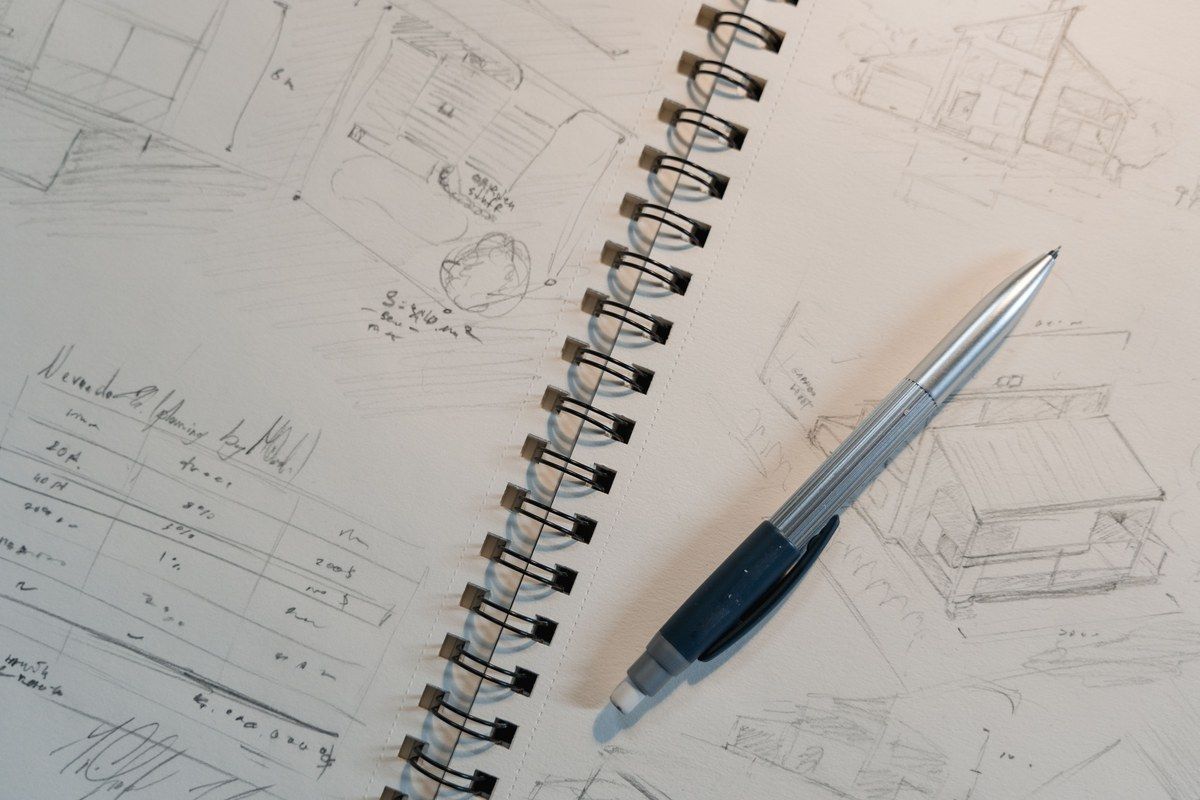
Advisory and specialist opinions
The flexible ask us service: second opinions, condition reviews and professional letters, working alongside your structural engineer or builder.
Read moreHow the work is done
The method behind all of them
Field methods, sampling and testing
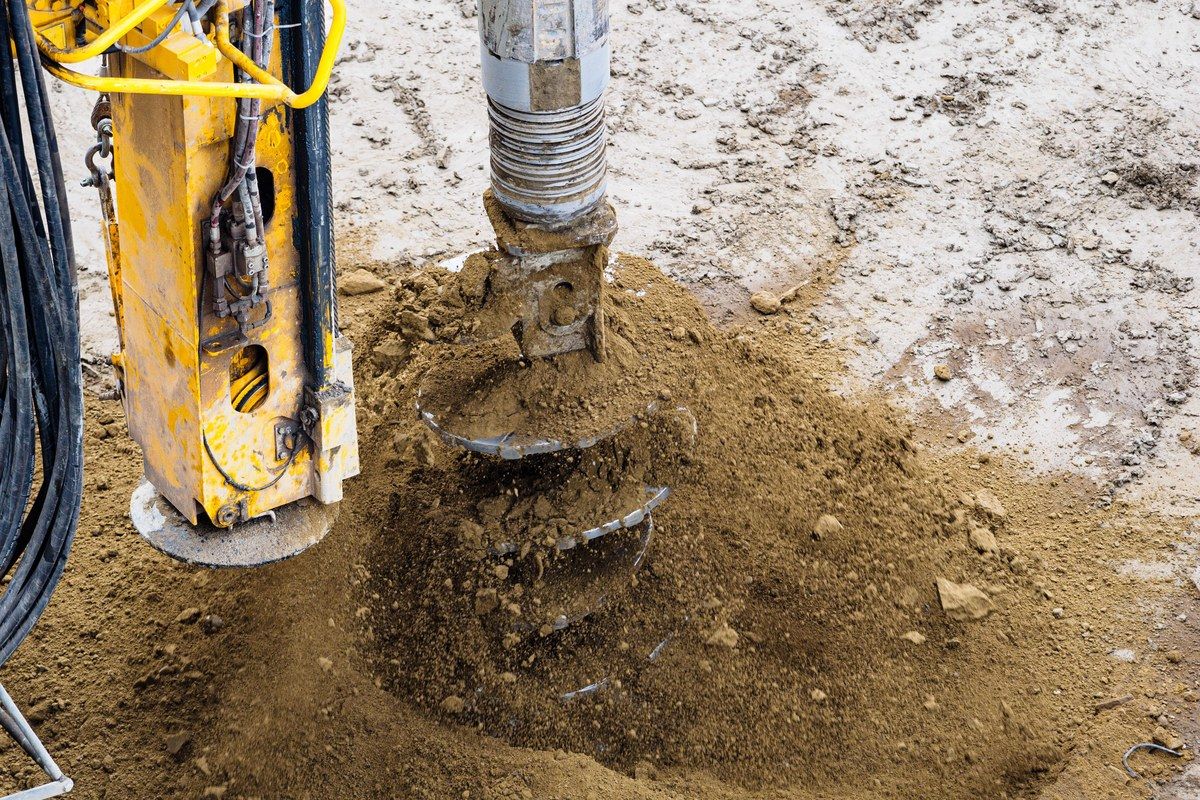
How the ground is drilled, sampled and tested in the field and the lab, why groundwater is monitored, and the case for winter drilling.
Read more
Public data and industry resources
The public soil maps, water well records and geological data behind the work, and the accredited laboratories you can look up yourself.
Read moreNot sure which one you need?
Say what you are building and where. Working that out is part of the job, not something you have to arrive already knowing. And if what you are describing does not need a geotechnical investigation, you will be told that too.
Need the ground looked at before you build?
Describe what you are building and where. You get a reply, usually within one business day, setting out what the investigation would cover.
Sealed by Andrew Richardson, P.Eng. Serving southern and central Alberta